 (732) 906-9600
 (732) 906-9600

Most kids carry around backpacks throughout the day for most of the year. That means that it’s important to pay attention to how they wear them. Wearing it the wrong way can lead to shoulder and back pain that may be temporary or can lead to long-term issues, including:
Furthermore, carrying a backpack over just one shoulder causes the muscles to compensate for the uneven load. As a result, the spine leans to one side, which stresses the back and ribs unevenly. Here are a few of the ways that backpacks can harm your child’s back and what to do about it.
It’s never too early to start developing good habits, so teach your children the right way to wear backpacks. Here are some tips to help you out.
One of the most important things to remember about wearing a backpack is that it must fit properly. First, make sure that your kids wear both shoulder straps – not just one – and adjust the straps so that they are comfortable, and the backpack sits high on their back. The bag should be snug enough not to sway back and forth as they walk. Be sure to adjust the straps to fit correctly with clothes of different thicknesses. Also, if there is a chest or waist strap, your kids should use it because it helps distribute weight evenly and safely.
A popular way of wearing backpacks is also a potentially harmful one. Slinging packs over one shoulder is a comfortable and stylish method of carrying the bag, but there are several problems with this position. The main issue is that it puts all the weight on just one shoulder and makes it impossible to walk with good posture. Even if your kids switch back and forth between shoulders, they are still walking off-balance; putting unnecessary strain on their muscles and bones.
When kids wear their backpacks slung low on their backs, they increase the pressure on their shoulders, which can lead to pain in the joints or lower back. Often, when backpacks are too low, it’s because the straps are too loose – usually to accommodate jackets, sweaters, and other thick, warm clothing. That’s why it’s important to adjust the backpack to fit different outfits.
Make sure that your children aren’t carrying more than 10 to 20 percent of their body weight in their backpacks. If you can’t lighten the load enough, consider purchasing a rolling bag. Kids and adults should follow the same guidelines for fitting and wearing their backpacks, using both straps, adjusting for a snug fit over different clothing, and using the waist or chest strap. Also, make sure that your child’s backpack has wide, padded straps for even, comfortable weight distribution.
Before the school year starts (or before you leave for your hiking trip), have your kids wear their backpacks around the house or on walks, adjusting as necessary for the proper fit. Help them learn how to load their packs, placing softer items against their backs and harder items or items with corners on sides or away from the body. A good backpack should last a very long time, so it pays to make sure that it’s comfortable and won’t cause back neck, or shoulder issues over time.
Carrying a backpack over just one shoulder causes the muscles to compensate for the uneven load. As a result, the spine leans to one side, which stresses the back and ribs unevenly. Here are a few of the ways that backpacks can harm your child’s back and what to do about it.
The weight of your child’s backpack should not be more than 10 to 15 % of their body weight. You can weigh the full pack on a scale to be sure that it does not exceed this recommendation. You can also watch for signs such as an unusual walking pattern or struggling to lift the bag. Find out about technological solutions – perhaps a laptop can replace several of the textbooks or maybe there are online resources your child can use. If no alternatives are available, help your child plan ahead to carry less weight at one time in their backpack.
Backpacks are often about fashion as much as function, but it’s still essential to ensure a proper fit to avoid injury. The bag should be proportionate to the size of your child, with the bottom of the pack resting in the middle of the lower back. It should have two padded straps, and your child should use both of them. There should also be a waist strap option to help distribute the load evenly. Backpacks that are too large will not only stress your child’s spine and muscles but are also at risk for being overfilled and, therefore, too heavy.
When a backpack is too heavy, doesn’t fit well, or is worn slung over one shoulder, the result is less-than-ideal posture. When the muscles in the back become accustomed to this abnormal posture, it can quickly become habitual, even when not carrying the pack. Poor posture can become a vicious cycle in which the posture causes back pain, which leads to even more poor posture, which exacerbates back pain even further. Help your child become aware of their posture and to maintain a healthy position while carrying their backpack.
To avoid these problems, there are several steps your child can take, including using both shoulder straps, distributing the load evenly throughout the pack, adjusting the straps for a correct fit, using the legs (not the back) to lift the backpack, and avoiding leaning forward when walking (if leaning forward is necessary, then the pack is too heavy). If your child complains of back or neck pain, contact Redefine Healthcare for a consultation.
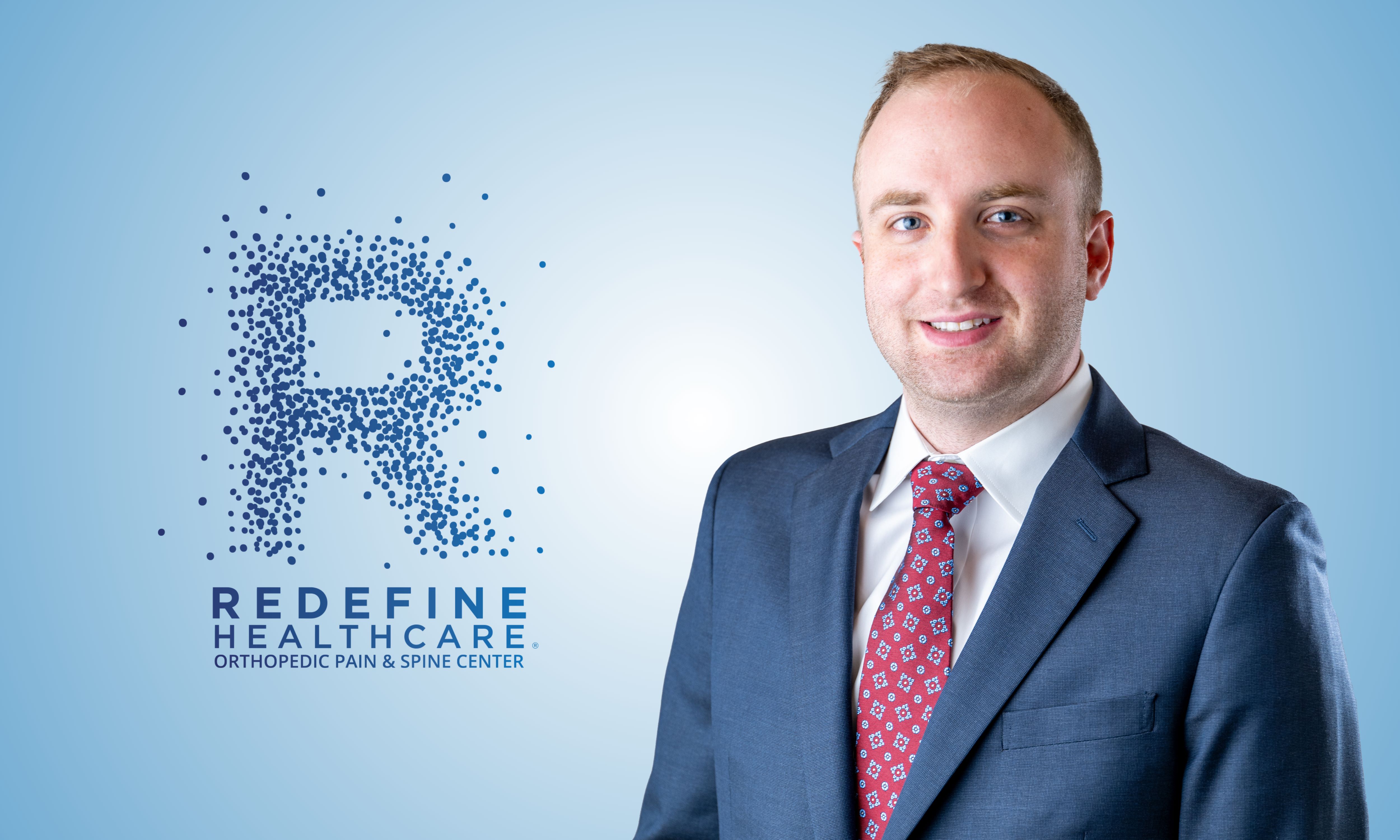 Redefine Healthcare Welcomes Dr. Joshua Dumbroff!
August 9, 2024 by Redefine Healthcare
Redefine Healthcare Welcomes Dr. Joshua Dumbroff!
August 9, 2024 by Redefine Healthcare
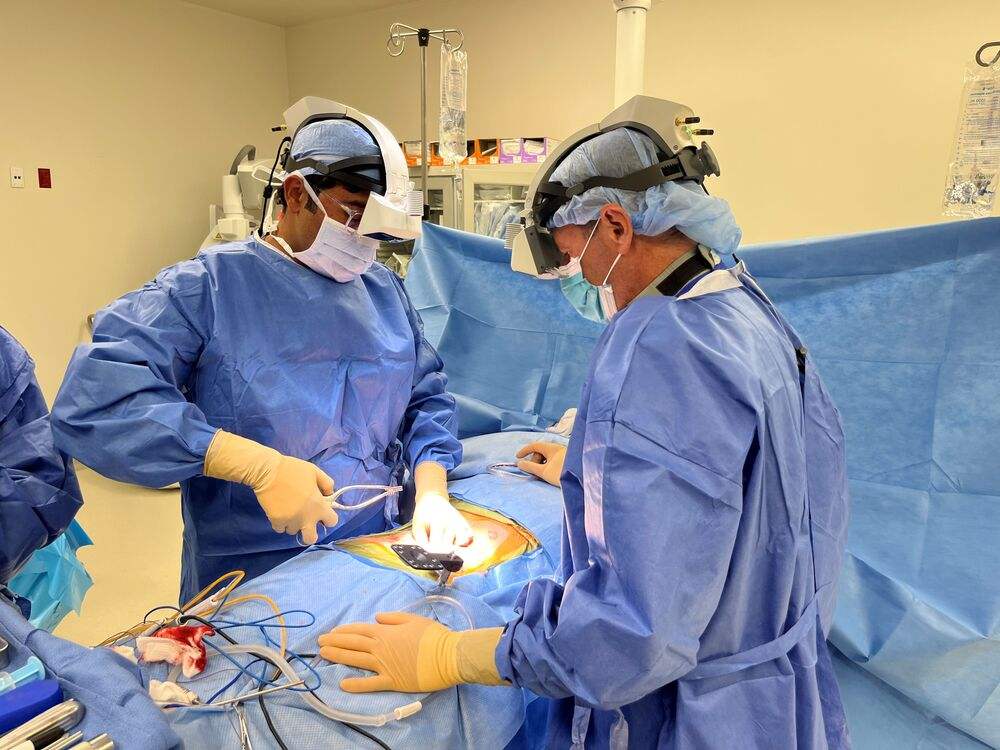 Dr. Harshpal Singh Among The First in New Jersey to Perform Augmented Reality (AR) Guided Spine Surgery
July 18, 2024 by Redefine Healthcare
Dr. Harshpal Singh Among The First in New Jersey to Perform Augmented Reality (AR) Guided Spine Surgery
July 18, 2024 by Redefine Healthcare
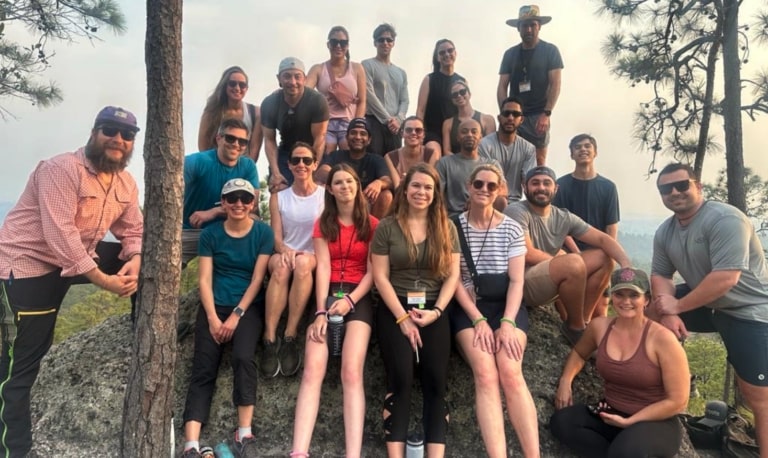 Neurosurgeon Dr. Harshpal Singh Brings Life-Changing Spine Surgery to Honduras
June 2, 2023 by Redefine Healthcare
Neurosurgeon Dr. Harshpal Singh Brings Life-Changing Spine Surgery to Honduras
June 2, 2023 by Redefine Healthcare
 What is Myalgia: Causes, Symptoms, and Treatments
December 15, 2022 by Redefine Healthcare
What is Myalgia: Causes, Symptoms, and Treatments
December 15, 2022 by Redefine Healthcare
 5 Signs You Should See a Spine Specialist for Your Back Pain
December 15, 2022 by Redefine Healthcare
5 Signs You Should See a Spine Specialist for Your Back Pain
December 15, 2022 by Redefine Healthcare

At Redefine Healthcare, our specialists are board-certified, highly educated, and rigorously trained in various fields, including pain management, neurosurgery, orthopedic spine surgery, chiropractic care, physical therapy, occupational therapy, psychiatry, and podiatry. Many of our doctors have earned the prestigious Castle Connolly Top Doctors recognition from their peers. We prioritize listening to your concerns, identifying the root cause of your pain, and determining the most effective treatment plan to provide quick relief and prevent future conditions. With advanced non-surgical pain rehabilitation, our New Jersey centers in Union, Edison, and Paterson offer top-tier care for severe and chronic pain.

Orthopedics
DIRECTIONS
CALL NOW
BOOK NOW
Orthopedics
DIRECTIONS
CALL NOW
BOOK NOW
Spine Surgery
DIRECTIONS
CALL NOW
BOOK NOW
Orthopedics
DIRECTIONS
CALL NOW
BOOK NOW
Orthopedics • Spine Surgery
DIRECTIONS
CALL NOW
BOOK NOW
Pain Management
DIRECTIONS
CALL NOW
BOOK NOW
Orthopedics
DIRECTIONS
CALL NOW
BOOK NOW
Chiropractic • Mental Health • Orthopedics • Pain Management • Physical Therapy • Spine Surgery • Surgery Center • Vascular
DIRECTIONS
CALL NOW
BOOK NOW
Orthopedics
DIRECTIONS
CALL NOW
BOOK NOW
Orthopedics • Pain Management • Physical Therapy
DIRECTIONS
CALL NOW
BOOK NOW
3100 Hingston Ave, Suite 104
Egg Harbor Township, NJ 08234
Spine Surgery
DIRECTIONS
CALL NOW
BOOK NOW
301 Central Avenue, Suite D,
Egg Harbor Township, NJ 08234
Vascular
DIRECTIONS
CALL NOW
BOOK NOW
Pain Management
DIRECTIONS
CALL NOW
BOOK NOW
Pain Management • Spine Surgery
DIRECTIONS
CALL NOW
BOOK NOW
Pain Management
DIRECTIONS
CALL NOW
BOOK NOW
Pain Management • Spine Surgery
DIRECTIONS
CALL NOW
BOOK NOW
Pain Management • Spine Surgery • Surgery Center
DIRECTIONS
CALL NOW
BOOK NOW
Pain Management
DIRECTIONS
CALL NOW
BOOK NOW
Orthopedics
DIRECTIONS
CALL NOW
BOOK NOW
Spine Surgery
DIRECTIONS
CALL NOW
BOOK NOW
Mental Health • Pain Management • Spine Surgery
DIRECTIONS
CALL NOW
BOOK NOW
Orthopedics • Pain Management • Physical Therapy
DIRECTIONS
CALL NOW
BOOK NOW
Orthopedics
DIRECTIONS
CALL NOW
BOOK NOW
Chiropractic • Pain Management • Spine Surgery
DIRECTIONS
CALL NOW
BOOK NOW
Pain Management
DIRECTIONS
CALL NOW
BOOK NOW
Orthopedics • Pain Management • Physical Therapy
DIRECTIONS
CALL NOW
BOOK NOW
Orthopedics • Pain Management • Physical Therapy
DIRECTIONS
CALL NOW
BOOK NOW
Pain Management • Physical Therapy
DIRECTIONS
CALL NOW
BOOK NOW
Pain Management
DIRECTIONS
CALL NOW
BOOK NOW
Orthopedics
DIRECTIONS
CALL NOW
BOOK NOW
Orthopedics
DIRECTIONS
CALL NOW
BOOK NOW
Pain Management
DIRECTIONS
CALL NOW
BOOK NOW
Orthopedics
DIRECTIONS
CALL NOW
BOOK NOW
Pain Management
DIRECTIONS
CALL NOW
BOOK NOW
Pain Management
DIRECTIONS
CALL NOW
BOOK NOW
Pain Management • Spine Surgery
DIRECTIONS
CALL NOW
BOOK NOW
Pain Management • Spine Surgery
DIRECTIONS
CALL NOW
BOOK NOW
Orthopedics
DIRECTIONS
CALL NOW
BOOK NOW
Pain Management
DIRECTIONS
CALL NOW
BOOK NOW
Pain Management
DIRECTIONS
CALL NOW
BOOK NOW
Orthopedics
DIRECTIONS
CALL NOW
BOOK NOW
80 Route 4, Suite 100
Paramus, NJ 07652
DIRECTIONS
CALL NOW
BOOK NOW
Chiropractic • Pain Management • Physical Therapy
DIRECTIONS
CALL NOW
BOOK NOW
Pain Management
DIRECTIONS
CALL NOW
BOOK NOW
Orthopedics • Pain Management • Physical Therapy • Vascular
DIRECTIONS
CALL NOW
BOOK NOW
Orthopedics
DIRECTIONS
CALL NOW
BOOK NOW
Pain Management • Spine Surgery
DIRECTIONS
CALL NOW
BOOK NOW
1131 Broad St., Suite 104 Building A
Shrewsbury, NJ 07702
Orthopedics • Pain Management
DIRECTIONS
CALL NOW
BOOK NOW
Pain Management
DIRECTIONS
CALL NOW
BOOK NOW
Orthopedics
DIRECTIONS
CALL NOW
BOOK NOW
Pain Management
DIRECTIONS
CALL NOW
BOOK NOW
Orthopedics • Pain Management • Spine Surgery
DIRECTIONS
CALL NOW
BOOK NOW
Mental Health • Pain Management • Spine Surgery
DIRECTIONS
CALL NOW
BOOK NOW
Pain Management • Spine Surgery
DIRECTIONS
CALL NOW
BOOK NOW
Pain Management
DIRECTIONS
CALL NOW
BOOK NOW
Pain Management • Spine Surgery
DIRECTIONS
CALL NOW
BOOK NOW
Pain Management
DIRECTIONS
CALL NOW
BOOK NOW
Pain Management • Spine Surgery
DIRECTIONS
CALL NOW
BOOK NOW
Pain Management • Spine Surgery
DIRECTIONS
CALL NOW
BOOK NOW
Pain Management
DIRECTIONS
CALL NOW
BOOK NOW
Pain Management
DIRECTIONS
CALL NOW
BOOK NOW
Spine Surgery
DIRECTIONS
CALL NOW
BOOK NOW


