 (732) 906-9600
 (732) 906-9600

Changes to medical marijuana in NJ earlier this year mean that many more people will be able to enroll. The most significant difference is that now, individuals with issues such as certain types of chronic pain, migraines, anxiety, and Tourette’s syndrome may be eligible. Here is some information about the changes and how they may affect you.
The qualifying medical conditions that were in effect before the change included:
In addition, these conditions may now also qualify you for medical marijuana:
You will need to obtain a recommendation from your doctor and apply to the state. Upon approval, you will receive a card showing your enrollment in the program. To start the process, ask your regular doctor whether cannabis might help improve your symptoms. Any doctor can now recommend marijuana (before this year, you were limited to a list of approved doctors). However, not all doctors choose to participate in the program. If yours doesn’t, you can still find one on the public registry. The physician must meet specific criteria such as treating the patient for at least one year (seeing them at least four times) and conducting a comprehensive review of the patient’s file.
Medical marijuana is not covered by your healthcare policy. Prices can vary somewhat but expect to pay around $500 for an ounce (not including tax). The maximum amount allowed by law is currently two ounces per month. It is typically packaged in 1/8 or ¼ ounce denominations.
There are six medical marijuana dispensaries throughout New Jersey including those in Egg Harbor, Montclair, Cranbury, Woodbridge, Bellmawr, and Secaucus. There are plans for satellite locations as well as new dispensaries to open, but it isn’t clear when this will happen. All dispensaries sell a variety of smokable strains; some also offer oils and topical products.
As the adverse effects of opioid use (and overuse) gain recognition, both doctors and patients are searching for alternative strategies for regular treatments to back and joint pain. Concurrently, the stigma surrounding cannabis usage has diminished, while the recognition and study of medical marijuana’s potential benefits have increased.
Medical marijuana does not generally interfere with other drugs often used to treat neck, back, and joint pain, such as NSAIDs. Active, harmful interactions with other drugs are not common. In one study, doctors successfully incorporated medical marijuana into an opioid-based treatment regimen. Patients reported reduced pain and lessened reliance on opiates. This opens many new options for doctors looking to reduce dependence on opioids and uncover more reliable opportunities for relief.
As more scientists launch studies on medical marijuana, more evidence on the efficacy of this treatment has arisen. The exact mechanisms are still under investigation, but studies that assess patient experiences generally point to significant reductions in pain. Medical marijuana can both help to reduce the pain itself and help mask pain mentally. Both outcomes are beneficial in therapeutic applications. While cannabis has seen many medical applications outside of pain management, it is right at home here too.
One of the most significant drawbacks to the consistent use of opioids for pain management are the side effects. These can include nausea, vomiting, considerable risk of dependence, and more. That means chronic pain patients often must take medications intended to treat the side effects of their pain medication. Medical marijuana does not have this problem. The side effects are much less pronounced and typically remain mild if they occur at all. The risk of dependency is likewise practically non-existent in comparison. Patients can, therefore, treat their pain and only their pain, rather than a lengthy list of side effects.
There are many ways to consume medical marijuana, from smoking the dried flowers of the cannabis plant to taking specially-prepared compounds. The various active ingredients, from THC to CBD, allow for a range of treatment options. In this way, patients can engage more actively with their pain management. Altogether, the benefits of medical marijuana add up to equal another checkmark in the “plus” column: improved quality of life. Better pain relief with fewer side effects allows patients to feel more in control, which in turn translates to a happier daily experience.
Keep in mind that the law on medical marijuana does not offer workplace protections. That means that you may still lose your job should you fail a drug test at work – even though you have been approved for medical marijuana. Some patients have sued to regain their jobs after being fired, and most of these have lost. That’s because, under federal law, marijuana remains an illegal drug, and employers have the right to terminate employees who use it.
Also, growing your marijuana remains illegal. You may only obtain your products from an approved dispensary. There are no home delivery options, either, although these are being explored. For now, patients who need medical marijuana must bring their cards to an approved dispensary and buy the drugs in person.
The availability of medical cannabis is still subject to questions of its legality, and it is not currently available to patients in all regions. However, the rising interest in these and other opiate alternatives indicates the importance of continuing research. Do you have questions about your options for chronic pain management? Contact the Redefine Healthcare team online to start a conversation.
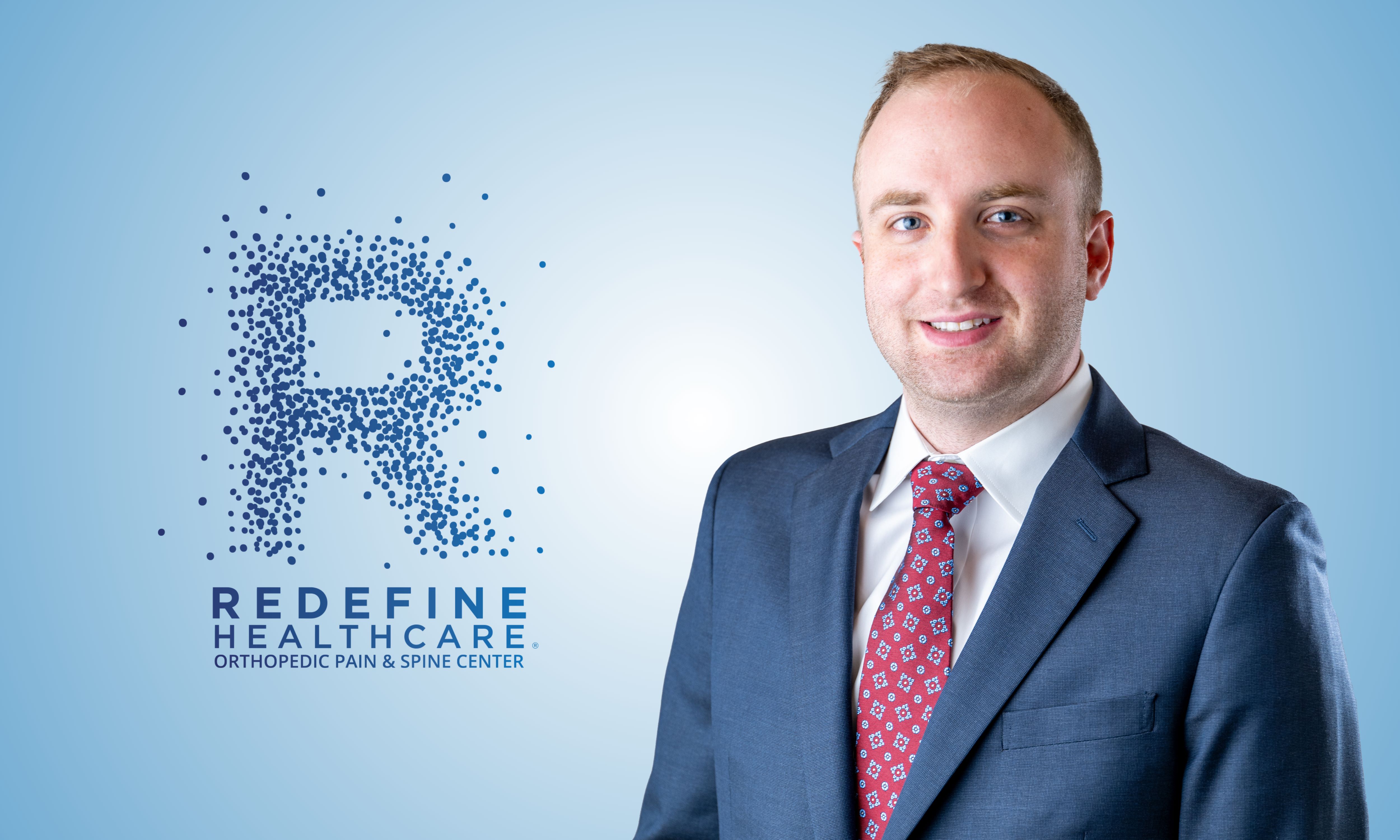 Redefine Healthcare Welcomes Dr. Joshua Dumbroff!
August 9, 2024 by Redefine Healthcare
Redefine Healthcare Welcomes Dr. Joshua Dumbroff!
August 9, 2024 by Redefine Healthcare
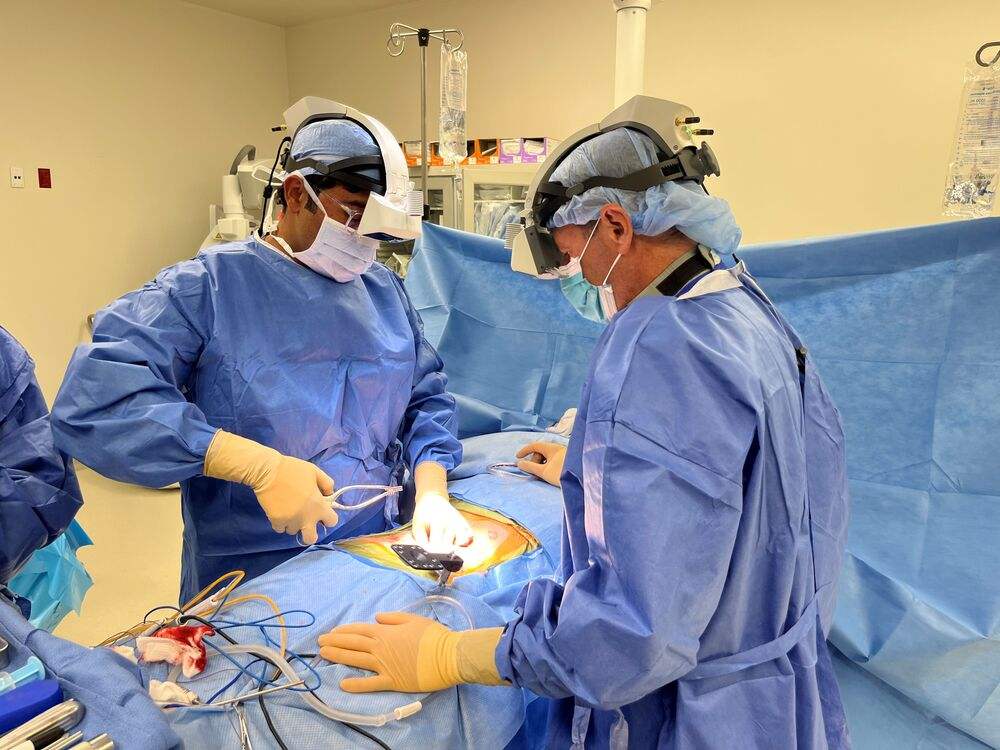 Dr. Harshpal Singh Among The First in New Jersey to Perform Augmented Reality (AR) Guided Spine Surgery
July 18, 2024 by Redefine Healthcare
Dr. Harshpal Singh Among The First in New Jersey to Perform Augmented Reality (AR) Guided Spine Surgery
July 18, 2024 by Redefine Healthcare
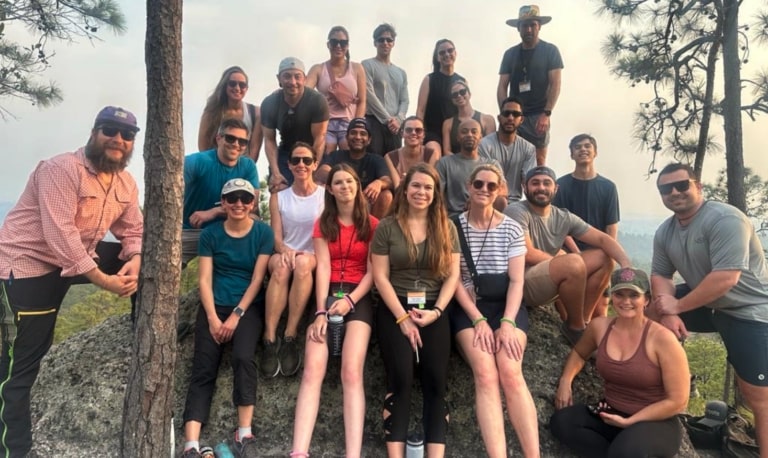 Neurosurgeon Dr. Harshpal Singh Brings Life-Changing Spine Surgery to Honduras
June 2, 2023 by Redefine Healthcare
Neurosurgeon Dr. Harshpal Singh Brings Life-Changing Spine Surgery to Honduras
June 2, 2023 by Redefine Healthcare
 What is Myalgia: Causes, Symptoms, and Treatments
December 15, 2022 by Redefine Healthcare
What is Myalgia: Causes, Symptoms, and Treatments
December 15, 2022 by Redefine Healthcare
 5 Signs You Should See a Spine Specialist for Your Back Pain
December 15, 2022 by Redefine Healthcare
5 Signs You Should See a Spine Specialist for Your Back Pain
December 15, 2022 by Redefine Healthcare

At Redefine Healthcare, our specialists are board-certified, highly educated, and rigorously trained in various fields, including pain management, neurosurgery, orthopedic spine surgery, chiropractic care, physical therapy, occupational therapy, psychiatry, and podiatry. Many of our doctors have earned the prestigious Castle Connolly Top Doctors recognition from their peers. We prioritize listening to your concerns, identifying the root cause of your pain, and determining the most effective treatment plan to provide quick relief and prevent future conditions. With advanced non-surgical pain rehabilitation, our New Jersey centers in Union, Edison, and Paterson offer top-tier care for severe and chronic pain.

Orthopedics
DIRECTIONS
CALL NOW
BOOK NOW
Orthopedics
DIRECTIONS
CALL NOW
BOOK NOW
Spine Surgery
DIRECTIONS
CALL NOW
BOOK NOW
Orthopedics
DIRECTIONS
CALL NOW
BOOK NOW
Orthopedics • Spine Surgery
DIRECTIONS
CALL NOW
BOOK NOW
Pain Management
DIRECTIONS
CALL NOW
BOOK NOW
Orthopedics
DIRECTIONS
CALL NOW
BOOK NOW
Chiropractic • Mental Health • Orthopedics • Pain Management • Physical Therapy • Spine Surgery • Surgery Center • Vascular
DIRECTIONS
CALL NOW
BOOK NOW
Orthopedics
DIRECTIONS
CALL NOW
BOOK NOW
Orthopedics • Pain Management • Physical Therapy
DIRECTIONS
CALL NOW
BOOK NOW
3100 Hingston Ave, Suite 104
Egg Harbor Township, NJ 08234
Spine Surgery
DIRECTIONS
CALL NOW
BOOK NOW
301 Central Avenue, Suite D,
Egg Harbor Township, NJ 08234
Vascular
DIRECTIONS
CALL NOW
BOOK NOW
Pain Management
DIRECTIONS
CALL NOW
BOOK NOW
Pain Management • Spine Surgery
DIRECTIONS
CALL NOW
BOOK NOW
Pain Management
DIRECTIONS
CALL NOW
BOOK NOW
Pain Management • Spine Surgery
DIRECTIONS
CALL NOW
BOOK NOW
Pain Management • Spine Surgery • Surgery Center
DIRECTIONS
CALL NOW
BOOK NOW
Pain Management
DIRECTIONS
CALL NOW
BOOK NOW
Orthopedics
DIRECTIONS
CALL NOW
BOOK NOW
Spine Surgery
DIRECTIONS
CALL NOW
BOOK NOW
Mental Health • Pain Management • Spine Surgery
DIRECTIONS
CALL NOW
BOOK NOW
Orthopedics • Pain Management • Physical Therapy
DIRECTIONS
CALL NOW
BOOK NOW
Orthopedics
DIRECTIONS
CALL NOW
BOOK NOW
Chiropractic • Pain Management • Spine Surgery
DIRECTIONS
CALL NOW
BOOK NOW
Pain Management
DIRECTIONS
CALL NOW
BOOK NOW
Orthopedics • Pain Management • Physical Therapy
DIRECTIONS
CALL NOW
BOOK NOW
Orthopedics • Pain Management • Physical Therapy
DIRECTIONS
CALL NOW
BOOK NOW
Pain Management • Physical Therapy
DIRECTIONS
CALL NOW
BOOK NOW
Pain Management
DIRECTIONS
CALL NOW
BOOK NOW
Orthopedics
DIRECTIONS
CALL NOW
BOOK NOW
Orthopedics
DIRECTIONS
CALL NOW
BOOK NOW
Pain Management
DIRECTIONS
CALL NOW
BOOK NOW
Orthopedics
DIRECTIONS
CALL NOW
BOOK NOW
Pain Management
DIRECTIONS
CALL NOW
BOOK NOW
Pain Management
DIRECTIONS
CALL NOW
BOOK NOW
Pain Management • Spine Surgery
DIRECTIONS
CALL NOW
BOOK NOW
Pain Management • Spine Surgery
DIRECTIONS
CALL NOW
BOOK NOW
Orthopedics
DIRECTIONS
CALL NOW
BOOK NOW
Pain Management
DIRECTIONS
CALL NOW
BOOK NOW
Pain Management
DIRECTIONS
CALL NOW
BOOK NOW
Orthopedics
DIRECTIONS
CALL NOW
BOOK NOW
80 Route 4, Suite 100
Paramus, NJ 07652
DIRECTIONS
CALL NOW
BOOK NOW
Chiropractic • Pain Management • Physical Therapy
DIRECTIONS
CALL NOW
BOOK NOW
Pain Management
DIRECTIONS
CALL NOW
BOOK NOW
Orthopedics • Pain Management • Physical Therapy • Vascular
DIRECTIONS
CALL NOW
BOOK NOW
Orthopedics
DIRECTIONS
CALL NOW
BOOK NOW
Pain Management • Spine Surgery
DIRECTIONS
CALL NOW
BOOK NOW
1131 Broad St., Suite 104 Building A
Shrewsbury, NJ 07702
Orthopedics • Pain Management
DIRECTIONS
CALL NOW
BOOK NOW
Pain Management
DIRECTIONS
CALL NOW
BOOK NOW
Orthopedics
DIRECTIONS
CALL NOW
BOOK NOW
Pain Management
DIRECTIONS
CALL NOW
BOOK NOW
Orthopedics • Pain Management • Spine Surgery
DIRECTIONS
CALL NOW
BOOK NOW
Mental Health • Pain Management • Spine Surgery
DIRECTIONS
CALL NOW
BOOK NOW
Pain Management • Spine Surgery
DIRECTIONS
CALL NOW
BOOK NOW
Pain Management
DIRECTIONS
CALL NOW
BOOK NOW
Pain Management • Spine Surgery
DIRECTIONS
CALL NOW
BOOK NOW
Pain Management
DIRECTIONS
CALL NOW
BOOK NOW
Pain Management • Spine Surgery
DIRECTIONS
CALL NOW
BOOK NOW
Pain Management • Spine Surgery
DIRECTIONS
CALL NOW
BOOK NOW
Pain Management
DIRECTIONS
CALL NOW
BOOK NOW
Pain Management
DIRECTIONS
CALL NOW
BOOK NOW
Spine Surgery
DIRECTIONS
CALL NOW
BOOK NOW


