 (732) 906-9600
 (732) 906-9600

The shoulder is an amazing joint with a wide and versatile range of movement. However, because it has so many parts and moves in so many different ways, it can also be a source of instability and even injury in many people. Pain is commonplace, particularly as a result of overuse or a specific injury. Pain may start suddenly or increase gradually over time, depending on its cause.
Treatment options for shoulder pain range from very conservative methods such as rest or physical therapy all the way up to surgical procedures. If you are experiencing shoulder pain, you can schedule an appointment with Redefine Healthcare to determine the cause of the pain and the best treatment plan for your specific injury. Here are four of the most common causes of this type of pain.
Biceps tendinitis is a condition that causes inflammation of the upper bicep tendon, a strong, fibrous tissue that attaches muscle to bone. This tendon helps the elbow bend, the forearm turn, and the arm raise overhead. It often becomes irritated with repetitive lifting or routine overhead activities; this irritation may cause shoulder pain, weakness, and other symptoms. If you have biceps tendinitis, you may experience:
– Pain that may feel dull or sharp when moving; pain may continue even when the movement stops
– Pain or burning that may radiate to the upper arm
– Tenderness to the touch
– Trouble sleeping on the affected side
– Difficulty performing daily activities such as getting dressed
Most cases of biceps tendonitis can heal entirely with early detection and treatment. Some patients will respond very well to physical therapy and other conservative treatments; others will require surgery for complete healing.
Shoulder bursitis involves the inflammation of the bursa in the shoulder. This condition is most common in patients 40 – 60 years of age but may also occur in younger people who engage in sports or other repetitive activities. Specific symptoms that may point to shoulder bursitis include:
– Pain in the upper front part of the shoulder
– Pain when lifting the arm overhead or sleeping on the affected side
– A feeling of tightness
– Swelling and/or redness
– Limited shoulder mobility
– Weakness
Ice, over-the-counter pain medications, steroid injections, and physical therapy are some of the conservative treatments that often resolve shoulder bursitis, although the condition may recur if the repetitive movement that caused it in the first place is continued. In some instances, surgery may be required.
Like biceps tendinitis, this type of tendinitis involves inflammation of a tendon but, in this case, it usually occurs in the subacromial space, located on the top of the shoulder. This condition is commonly caused by overuse and repetitive motions, although individuals who experience shoulder tendinitis are typically genetically predisposed. Other things that may increase a person’s risk include participation in sports such as swimming and tennis, falling onto the shoulder, poor posture, heavy lifting, and advancing age. Symptoms that may indicate shoulder tendonitis include:
– Pain when moving
– A feeling of tightness or tenderness in the affected area
– Pain that worsens overnight
– Increasing swelling and weakness as inflammation escalates
If diagnosed and treated early, many patients recover fully and regain normal function. However, severe cases and certain complications can necessitate surgical decompression.
Shoulder subluxation is a dislocation injury in which the ball of the upper arm bone slips partially out of the glenoid socket (the socket of the scapula, or shoulder blade). The shoulder can dislocate in any of several different directions – forward, backward, or downward. A subluxation is usually caused by a forceful blow or extreme rotation.
Once a shoulder has become dislocated, it may be more prone to subluxations and dislocations in the future. As the most mobile joint in the human body, the shoulder contains a large number of bones, muscles, and ligaments that all must work together to maintain stability. Because of its high mobility, the joint is highly susceptible to this type of injury.
The symptoms of a shoulder subluxation include:
– Visibly deformed shoulder
– Humerus moving in and out of the socket
– Pain and tenderness, especially when moving the shoulder
– Shoulder swelling
– Numbness or tingling along the arm
– Reduced range of motion
– Clicking or popping sensation in the shoulder
Generally, subluxations self-correct when individuals rest the arm and avoid the motions that led to the injury. Ice, nonsteroidal anti-inflammatory pain medication, and rest are all indicated as reliable treatment choices. In some cases, physical therapy can help aid in reducing discomfort and speeding recovery time. However, for repetitive subluxation events, or when a medical examination concludes weak ligaments may be the cause, a surgical procedure to correct the issue can be an option. In subluxations with no major tissue or nerve damage, the joint usually recover quickly and without complications. When a patient seeks prompt medical attention, the outlook is good.
If you are experiencing pain or other troublesome symptoms, contact us for a consultation. We can diagnose the issue and recommend an effective treatment plan to get you back to your regular routine as soon as possible.
 Redefine Healthcare Welcomes Dr. Joshua Dumbroff!
August 9, 2024 by Redefine Healthcare
Redefine Healthcare Welcomes Dr. Joshua Dumbroff!
August 9, 2024 by Redefine Healthcare
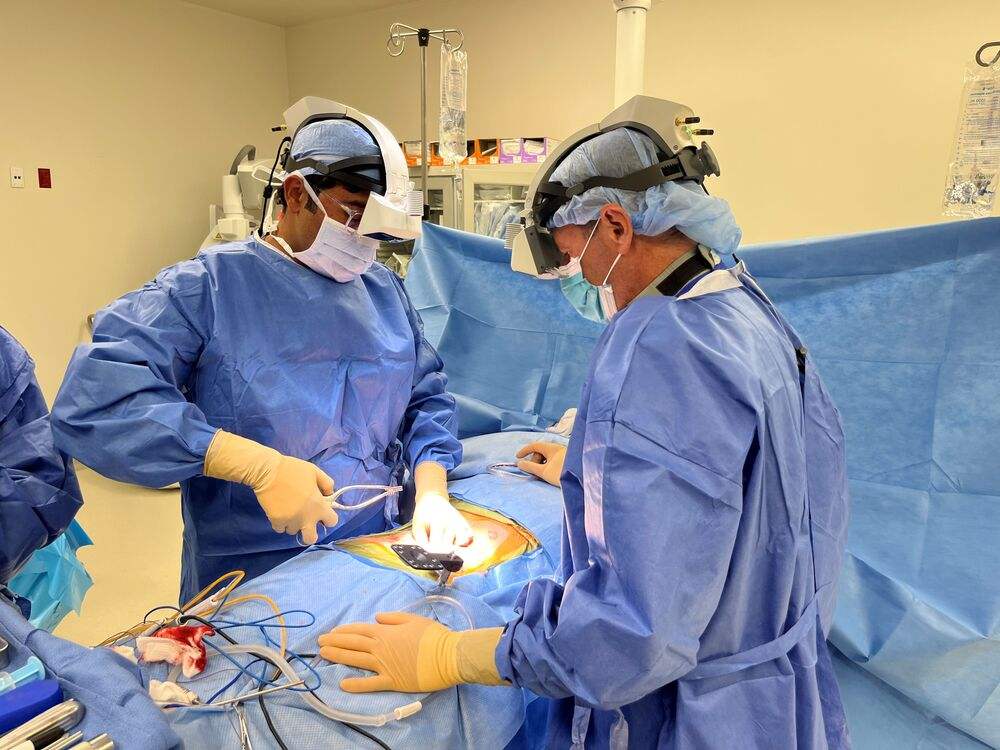 Dr. Harshpal Singh Among The First in New Jersey to Perform Augmented Reality (AR) Guided Spine Surgery
July 18, 2024 by Redefine Healthcare
Dr. Harshpal Singh Among The First in New Jersey to Perform Augmented Reality (AR) Guided Spine Surgery
July 18, 2024 by Redefine Healthcare
 Neurosurgeon Dr. Harshpal Singh Brings Life-Changing Spine Surgery to Honduras
June 2, 2023 by Redefine Healthcare
Neurosurgeon Dr. Harshpal Singh Brings Life-Changing Spine Surgery to Honduras
June 2, 2023 by Redefine Healthcare
 What is Myalgia: Causes, Symptoms, and Treatments
December 15, 2022 by Redefine Healthcare
What is Myalgia: Causes, Symptoms, and Treatments
December 15, 2022 by Redefine Healthcare
 5 Signs You Should See a Spine Specialist for Your Back Pain
December 15, 2022 by Redefine Healthcare
5 Signs You Should See a Spine Specialist for Your Back Pain
December 15, 2022 by Redefine Healthcare

At Redefine Healthcare, our specialists are board-certified, highly educated, and rigorously trained in various fields, including pain management, neurosurgery, orthopedic spine surgery, chiropractic care, physical therapy, occupational therapy, psychiatry, and podiatry. Many of our doctors have earned the prestigious Castle Connolly Top Doctors recognition from their peers. We prioritize listening to your concerns, identifying the root cause of your pain, and determining the most effective treatment plan to provide quick relief and prevent future conditions. With advanced non-surgical pain rehabilitation, our New Jersey centers in Union, Edison, and Paterson offer top-tier care for severe and chronic pain.

Orthopedics
DIRECTIONS
CALL NOW
BOOK NOW
Orthopedics
DIRECTIONS
CALL NOW
BOOK NOW
Spine Surgery
DIRECTIONS
CALL NOW
BOOK NOW
Orthopedics
DIRECTIONS
CALL NOW
BOOK NOW
Orthopedics • Spine Surgery
DIRECTIONS
CALL NOW
BOOK NOW
Pain Management
DIRECTIONS
CALL NOW
BOOK NOW
Orthopedics
DIRECTIONS
CALL NOW
BOOK NOW
Chiropractic • Mental Health • Orthopedics • Pain Management • Physical Therapy • Spine Surgery • Surgery Center • Vascular
DIRECTIONS
CALL NOW
BOOK NOW
Orthopedics
DIRECTIONS
CALL NOW
BOOK NOW
Orthopedics • Pain Management • Physical Therapy
DIRECTIONS
CALL NOW
BOOK NOW
3100 Hingston Ave, Suite 104
Egg Harbor Township, NJ 08234
Spine Surgery
DIRECTIONS
CALL NOW
BOOK NOW
301 Central Avenue, Suite D,
Egg Harbor Township, NJ 08234
Vascular
DIRECTIONS
CALL NOW
BOOK NOW
Pain Management
DIRECTIONS
CALL NOW
BOOK NOW
Pain Management • Spine Surgery
DIRECTIONS
CALL NOW
BOOK NOW
Pain Management
DIRECTIONS
CALL NOW
BOOK NOW
Pain Management • Spine Surgery
DIRECTIONS
CALL NOW
BOOK NOW
Pain Management • Spine Surgery • Surgery Center
DIRECTIONS
CALL NOW
BOOK NOW
Pain Management
DIRECTIONS
CALL NOW
BOOK NOW
Orthopedics
DIRECTIONS
CALL NOW
BOOK NOW
Spine Surgery
DIRECTIONS
CALL NOW
BOOK NOW
Mental Health • Pain Management • Spine Surgery
DIRECTIONS
CALL NOW
BOOK NOW
Orthopedics • Pain Management • Physical Therapy
DIRECTIONS
CALL NOW
BOOK NOW
Orthopedics
DIRECTIONS
CALL NOW
BOOK NOW
Chiropractic • Pain Management • Spine Surgery
DIRECTIONS
CALL NOW
BOOK NOW
Pain Management
DIRECTIONS
CALL NOW
BOOK NOW
Orthopedics • Pain Management • Physical Therapy
DIRECTIONS
CALL NOW
BOOK NOW
Orthopedics • Pain Management • Physical Therapy
DIRECTIONS
CALL NOW
BOOK NOW
Pain Management • Physical Therapy
DIRECTIONS
CALL NOW
BOOK NOW
Pain Management
DIRECTIONS
CALL NOW
BOOK NOW
Orthopedics
DIRECTIONS
CALL NOW
BOOK NOW
Orthopedics
DIRECTIONS
CALL NOW
BOOK NOW
Pain Management
DIRECTIONS
CALL NOW
BOOK NOW
Orthopedics
DIRECTIONS
CALL NOW
BOOK NOW
Pain Management
DIRECTIONS
CALL NOW
BOOK NOW
Pain Management
DIRECTIONS
CALL NOW
BOOK NOW
Pain Management • Spine Surgery
DIRECTIONS
CALL NOW
BOOK NOW
Pain Management • Spine Surgery
DIRECTIONS
CALL NOW
BOOK NOW
Orthopedics
DIRECTIONS
CALL NOW
BOOK NOW
Pain Management
DIRECTIONS
CALL NOW
BOOK NOW
Pain Management
DIRECTIONS
CALL NOW
BOOK NOW
Orthopedics
DIRECTIONS
CALL NOW
BOOK NOW
80 Route 4, Suite 100
Paramus, NJ 07652
DIRECTIONS
CALL NOW
BOOK NOW
Chiropractic • Pain Management • Physical Therapy
DIRECTIONS
CALL NOW
BOOK NOW
Pain Management
DIRECTIONS
CALL NOW
BOOK NOW
Orthopedics • Pain Management • Physical Therapy • Vascular
DIRECTIONS
CALL NOW
BOOK NOW
Orthopedics
DIRECTIONS
CALL NOW
BOOK NOW
Pain Management • Spine Surgery
DIRECTIONS
CALL NOW
BOOK NOW
1131 Broad St., Suite 104 Building A
Shrewsbury, NJ 07702
Orthopedics • Pain Management
DIRECTIONS
CALL NOW
BOOK NOW
Pain Management
DIRECTIONS
CALL NOW
BOOK NOW
Orthopedics
DIRECTIONS
CALL NOW
BOOK NOW
Pain Management
DIRECTIONS
CALL NOW
BOOK NOW
Orthopedics • Pain Management • Spine Surgery
DIRECTIONS
CALL NOW
BOOK NOW
Mental Health • Pain Management • Spine Surgery
DIRECTIONS
CALL NOW
BOOK NOW
Pain Management • Spine Surgery
DIRECTIONS
CALL NOW
BOOK NOW
Pain Management
DIRECTIONS
CALL NOW
BOOK NOW
Pain Management • Spine Surgery
DIRECTIONS
CALL NOW
BOOK NOW
Pain Management
DIRECTIONS
CALL NOW
BOOK NOW
Pain Management • Spine Surgery
DIRECTIONS
CALL NOW
BOOK NOW
Pain Management • Spine Surgery
DIRECTIONS
CALL NOW
BOOK NOW
Pain Management
DIRECTIONS
CALL NOW
BOOK NOW
Pain Management
DIRECTIONS
CALL NOW
BOOK NOW
Spine Surgery
DIRECTIONS
CALL NOW
BOOK NOW


