 (732) 906-9600
 (732) 906-9600
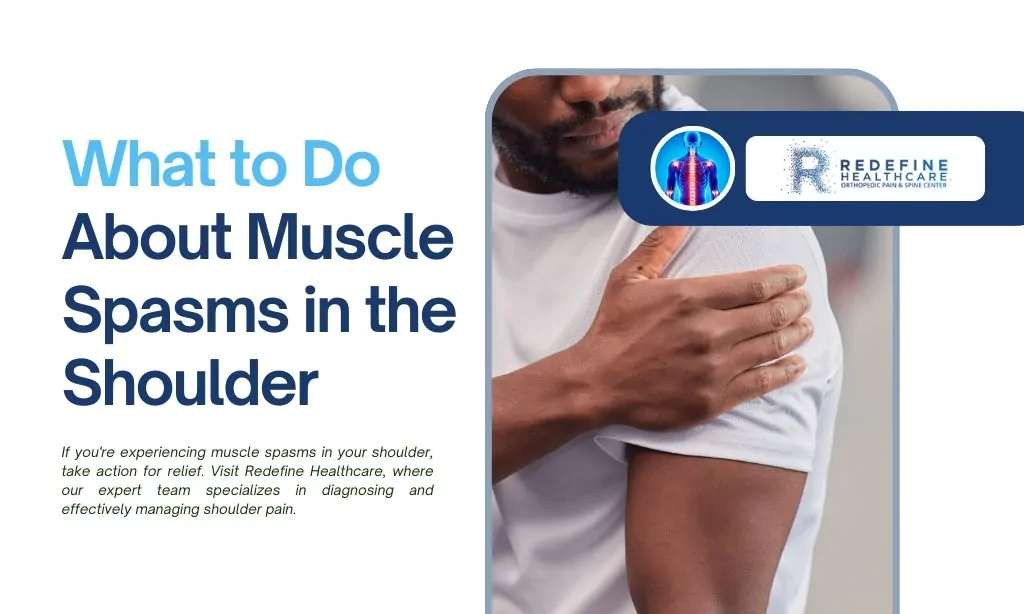
Muscle spasms in your shoulders are annoying. They interfere with your daily life activities and keep you from having a healthy exercise routine. The spasms are usually short-lived and benign that get better with self-treatment and stretching. If your spasms occur frequently or if they are very painful, it is best to see a doctor to figure out what is triggering them.
Visit Dr. Eric Freeman at Redefine Healthcare, New Jersey’s premier pain management practice, to understand the causes behind your muscle spasms and how to treat or prevent them effectively. The specialist determines if it is just overuse of muscles, some injury, or an underlying condition causing your symptoms and recommends the most advanced pain rehabilitation treatments to help you feel better.
Muscle spasms, also known as cramps, are painful contractions and tightening of the muscles. They are common, involuntary, and unpredictable and may occur without any reason. Muscle spasms can last anywhere from a few seconds to 15 minutes. Occasional muscle spasms are nothing serious, but if you experience chronic muscle cramping, it is best to seek professional help.
Muscle spasms in the shoulder occur when there is an involuntary muscle contraction in the muscles of the middle or upper back or chest. These can include the rotator cuff muscles on the chest or back muscles such as the rhomboid muscles. A rhomboid muscle strain or spasm is usually caused by overuse of your shoulder and arm from overhead activities like serving a tennis ball or reaching out for objects on a high self and rowing.
You may experience spasms in one or both shoulders. There are certain steps you can take to prevent muscle spasms, but these methods do not always work. Muscle relaxants, stretching, and massage are the most effective means to ease them.
Read on to know what causes muscle spasms in the shoulders, how it is connected to issues with the spine, and what are the best options for addressing this condition successfully.
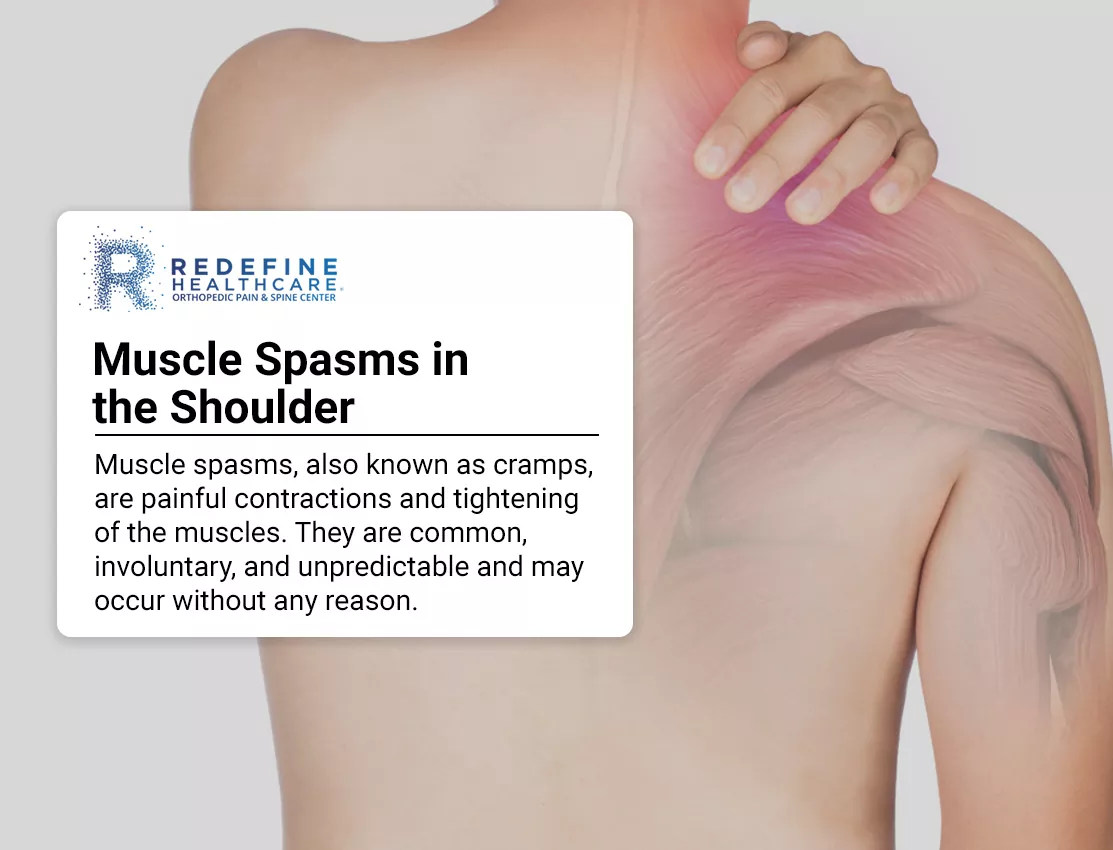
A spasm may be a twitch in the muscle or may feel tight or hard, like a knot, and appears visibly distorted. Spasms range in intensity from mild, uncomfortable twitches to considerable discomfort to severe pain. Sometimes, severe spasms can be incapacitating. After the contraction stops, the muscle can feel sore and tender.
Spasms usually last anywhere from 15 seconds to minutes or longer. Most people report that they recur multiple times before going away.
Muscle spasms in the shoulder result from overuse of muscles in this area due to sporting activities, direct injury to the shoulder or its muscles, or poor posture for a considerable time. Any of these factors can affect the soft tissue of the back and result in spasms.
Spasms in the shoulder can lead to:
If the pain is persistent and does not improve or begins to worsen despite trying several treatments and management options at home, it is essential to seek medical advice. It may be an underlying condition that needs proper diagnosis and treatment, and only a trained and experienced spine specialist can help you find relief.
Muscle spasms can strike anytime while you are exercising, sitting, or even sleeping in the middle of the night. There is no magic injection or medication to make the spasms go away instantly.
You can get rid of the spasms with the following:
Generally, spasms in the shoulders go away on their own once the affected or injured muscle has healed. This does not require any major intervention or treatment.
Here are a few tips to facilitate and speed up the recovery process:
Keeping a record of when you get muscle spasms is a good idea to see if it is related to a particular activity or occurs at a given time. Changing that activity or focusing on the triggers may help you treat and prevent the spasms in a much better way.
Shoulder pain is often caused by issues resulting from the spine, specifically along the upper back. Most often these issues can be linked to spinal compression, a process where the spine becomes squashed, altering the structure of the spine and affecting surrounding structures. In this case, it is the muscles that connect to the shoulder, which may be pressing on the nerve.
Spinal compression therapy with a special orthopedic device can help to decompress your spine and ease shoulder pain through exercises. These exercises are easy to do at home and use your body weight to provide relief from various conditions relating to the spine. Reversing the effects of spinal compression can reduce the chances of shoulder muscles being irritated or strained due to improper posture and prevent episodes of spasms and pain.
You don’t have to live with muscle spasms or let them affect your life and activities. They may be unpredictable, but with the right preventive measures and remedies, you can soothe them efficiently. Visit Redefine Healthcare to learn more about muscle spasms in the shoulder and what to do with them. The experienced and board-certified specialists focus on the issues with the spine that may lead to spasms in the shoulders and recommend the best treatments to put an end to these painful cramps.
 Redefine Healthcare Welcomes Dr. Joshua Dumbroff!
August 9, 2024 by Redefine Healthcare
Redefine Healthcare Welcomes Dr. Joshua Dumbroff!
August 9, 2024 by Redefine Healthcare
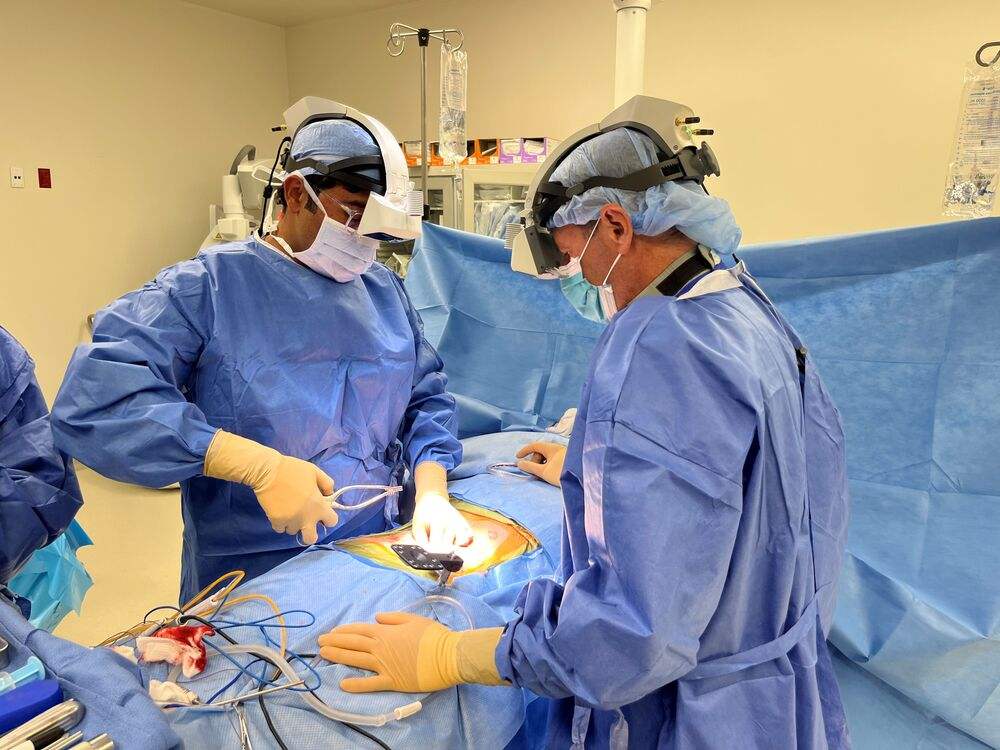 Dr. Harshpal Singh Among The First in New Jersey to Perform Augmented Reality (AR) Guided Spine Surgery
July 18, 2024 by Redefine Healthcare
Dr. Harshpal Singh Among The First in New Jersey to Perform Augmented Reality (AR) Guided Spine Surgery
July 18, 2024 by Redefine Healthcare
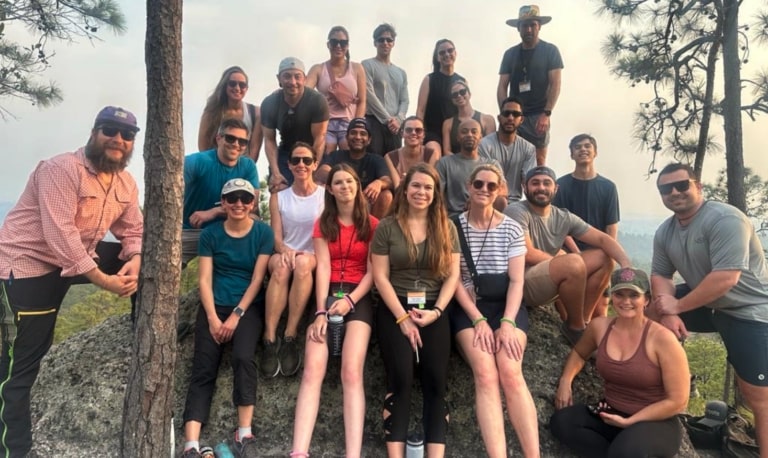 Neurosurgeon Dr. Harshpal Singh Brings Life-Changing Spine Surgery to Honduras
June 2, 2023 by Redefine Healthcare
Neurosurgeon Dr. Harshpal Singh Brings Life-Changing Spine Surgery to Honduras
June 2, 2023 by Redefine Healthcare
 What is Myalgia: Causes, Symptoms, and Treatments
December 15, 2022 by Redefine Healthcare
What is Myalgia: Causes, Symptoms, and Treatments
December 15, 2022 by Redefine Healthcare
 5 Signs You Should See a Spine Specialist for Your Back Pain
December 15, 2022 by Redefine Healthcare
5 Signs You Should See a Spine Specialist for Your Back Pain
December 15, 2022 by Redefine Healthcare

At Redefine Healthcare, our specialists are board-certified, highly educated, and rigorously trained in various fields, including pain management, neurosurgery, orthopedic spine surgery, chiropractic care, physical therapy, occupational therapy, psychiatry, and podiatry. Many of our doctors have earned the prestigious Castle Connolly Top Doctors recognition from their peers. We prioritize listening to your concerns, identifying the root cause of your pain, and determining the most effective treatment plan to provide quick relief and prevent future conditions. With advanced non-surgical pain rehabilitation, our New Jersey centers in Union, Edison, and Paterson offer top-tier care for severe and chronic pain.

Orthopedics
DIRECTIONS
CALL NOW
BOOK NOW
Orthopedics
DIRECTIONS
CALL NOW
BOOK NOW
Spine Surgery
DIRECTIONS
CALL NOW
BOOK NOW
Orthopedics
DIRECTIONS
CALL NOW
BOOK NOW
Orthopedics • Spine Surgery
DIRECTIONS
CALL NOW
BOOK NOW
Pain Management
DIRECTIONS
CALL NOW
BOOK NOW
Orthopedics
DIRECTIONS
CALL NOW
BOOK NOW
Chiropractic • Mental Health • Orthopedics • Pain Management • Physical Therapy • Spine Surgery • Surgery Center • Vascular
DIRECTIONS
CALL NOW
BOOK NOW
Orthopedics
DIRECTIONS
CALL NOW
BOOK NOW
Orthopedics • Pain Management • Physical Therapy
DIRECTIONS
CALL NOW
BOOK NOW
3100 Hingston Ave, Suite 104
Egg Harbor Township, NJ 08234
Spine Surgery
DIRECTIONS
CALL NOW
BOOK NOW
Pain Management
DIRECTIONS
CALL NOW
BOOK NOW
Pain Management • Spine Surgery
DIRECTIONS
CALL NOW
BOOK NOW
Pain Management
DIRECTIONS
CALL NOW
BOOK NOW
Pain Management • Spine Surgery
DIRECTIONS
CALL NOW
BOOK NOW
Pain Management • Spine Surgery • Surgery Center
DIRECTIONS
CALL NOW
BOOK NOW
Pain Management
DIRECTIONS
CALL NOW
BOOK NOW
Orthopedics
DIRECTIONS
CALL NOW
BOOK NOW
Spine Surgery
DIRECTIONS
CALL NOW
BOOK NOW
Mental Health • Pain Management • Spine Surgery
DIRECTIONS
CALL NOW
BOOK NOW
Orthopedics • Pain Management • Physical Therapy
DIRECTIONS
CALL NOW
BOOK NOW
Orthopedics
DIRECTIONS
CALL NOW
BOOK NOW
Chiropractic • Pain Management • Spine Surgery
DIRECTIONS
CALL NOW
BOOK NOW
Pain Management
DIRECTIONS
CALL NOW
BOOK NOW
Orthopedics • Pain Management • Physical Therapy
DIRECTIONS
CALL NOW
BOOK NOW
Orthopedics • Pain Management • Physical Therapy
DIRECTIONS
CALL NOW
BOOK NOW
Pain Management • Physical Therapy
DIRECTIONS
CALL NOW
BOOK NOW
Pain Management
DIRECTIONS
CALL NOW
BOOK NOW
Orthopedics
DIRECTIONS
CALL NOW
BOOK NOW
Orthopedics
DIRECTIONS
CALL NOW
BOOK NOW
Pain Management
DIRECTIONS
CALL NOW
BOOK NOW
Orthopedics
DIRECTIONS
CALL NOW
BOOK NOW
Pain Management
DIRECTIONS
CALL NOW
BOOK NOW
Pain Management
DIRECTIONS
CALL NOW
BOOK NOW
Pain Management • Spine Surgery
DIRECTIONS
CALL NOW
BOOK NOW
Pain Management • Spine Surgery
DIRECTIONS
CALL NOW
BOOK NOW
Orthopedics
DIRECTIONS
CALL NOW
BOOK NOW
Pain Management
DIRECTIONS
CALL NOW
BOOK NOW
Pain Management
DIRECTIONS
CALL NOW
BOOK NOW
Orthopedics
DIRECTIONS
CALL NOW
BOOK NOW
80 Route 4, Suite 100
Paramus, NJ 07652
DIRECTIONS
CALL NOW
BOOK NOW
Chiropractic • Pain Management • Physical Therapy
DIRECTIONS
CALL NOW
BOOK NOW
Pain Management
DIRECTIONS
CALL NOW
BOOK NOW
Orthopedics • Pain Management • Physical Therapy • Vascular
DIRECTIONS
CALL NOW
BOOK NOW
Orthopedics
DIRECTIONS
CALL NOW
BOOK NOW
Pain Management • Spine Surgery
DIRECTIONS
CALL NOW
BOOK NOW
1131 Broad St., Suite 104 Building A
Shrewsbury, NJ 07702
Orthopedics • Pain Management
DIRECTIONS
CALL NOW
BOOK NOW
Pain Management
DIRECTIONS
CALL NOW
BOOK NOW
Orthopedics
DIRECTIONS
CALL NOW
BOOK NOW
Pain Management
DIRECTIONS
CALL NOW
BOOK NOW
Orthopedics • Pain Management • Spine Surgery
DIRECTIONS
CALL NOW
BOOK NOW
Mental Health • Pain Management • Spine Surgery
DIRECTIONS
CALL NOW
BOOK NOW
Pain Management • Spine Surgery
DIRECTIONS
CALL NOW
BOOK NOW
Pain Management
DIRECTIONS
CALL NOW
BOOK NOW
Pain Management • Spine Surgery
DIRECTIONS
CALL NOW
BOOK NOW
Pain Management
DIRECTIONS
CALL NOW
BOOK NOW
Pain Management • Spine Surgery
DIRECTIONS
CALL NOW
BOOK NOW
Pain Management • Spine Surgery
DIRECTIONS
CALL NOW
BOOK NOW
Pain Management
DIRECTIONS
CALL NOW
BOOK NOW
Pain Management
DIRECTIONS
CALL NOW
BOOK NOW
Spine Surgery
DIRECTIONS
CALL NOW
BOOK NOW


