 (732) 906-9600
 (732) 906-9600
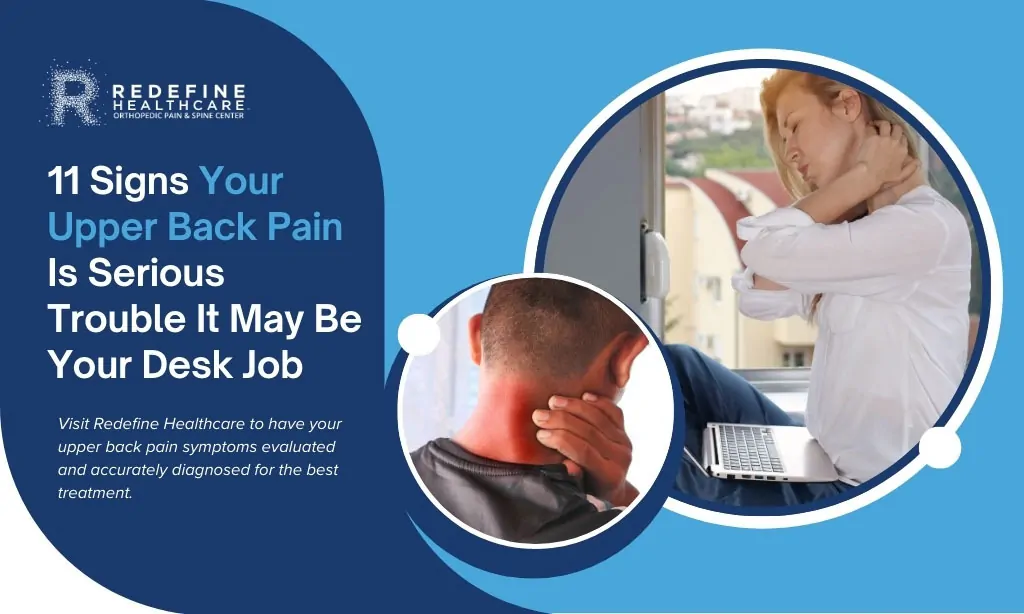
Backaches are annoying and put your life on hold by restricting your activities and movement. They may be resulting from poor posture due to your desk job or could be a sign of serious trouble. It is best to talk to a back and spine specialist if you suffer from sudden upper back pain or your upper back pain is worsening despite rest and home care treatments. Visit Redefine Healthcare to have your upper back pain symptoms evaluated and accurately diagnosed for the best treatment.
Dr. Eric Freeman focuses on factors causing your pain to ensure they do not cause complications. He comes up with the best solutions that help you get back to the activities you enjoy and send you on a speedy road to recovery.
Poor posture is the most common cause of pain in the upper back. According to healthcare experts, sitting and staring at a computer screen shortens chest muscles and pulls on the muscles in the upper back. It is the main reason so many people get muscle spasms between the shoulder blades. Adjusting your posture and changing the way you sit and work is significant for managing your upper back pain and preventing further complications.
For some people, strain in the muscles around the neck and shoulder, or between the shoulder blades, is the reason behind their back pain. Along with poor posture, stress, strenuous exercise, and sleeping with your neck at an awkward angle may lead to back pain. Regardless of its causes, upper back pain should not be taken lightly, as it can put a hold on your routine life and activities.

There are many effective at-home remedies for upper back pain relief. It is necessary to know that a typical episode of muscle strain usually lasts only a few days, and staying comfortable during this time is essential. Rest, icing, and taking anti-inflammatory medications can help you feel better within a few days.
All backaches are not the same. While some can be treated with home remedies and self-care treatments, others may not get better. If the pain lingers for more than a few days or requires regular pain medications, you must seek medical help.
If the pain limits your ability to move or function normally, skip work, or restricts you to bed, it is a sign that your upper back pain is serious trouble. It could be anything from your desk job to something resulting from trauma or infection.
Here are 11 signs that indicate your upper back pain is serious trouble, and you need to see your doctor.
If you have tried all at-home treatments, and even gotten massages and purchased a new mattress, but the upper back continues to hurt, it may be a sign of a lung tumor. Most types of upper back pain ease or improve with pain-relieving medications, hot and cold therapies, and self-care treatments.
According to specialists, advanced lung cancer may be a sign of bone pain. Weight loss, chest pain, and weakness are also symptoms of lung cancer that are often ignored. It is important to have your pain checked by a specialist if it is not going away as it may be a sign of some serious trouble.
If you were in a rear and crash car accident and feel fine afterward, it does not necessitate a visit to the doctor. However, whiplash, a violent back and forward jerk of the head during the accident, can lead to tears, and inflammation of the muscles and ligaments in the neck and upper back and it is a serious matter.
It is essential to see your doctor if you suspect whiplash, especially accompanied by other symptoms like fatigue, dizziness, and pain in the neck.
Kidney stones can be agonizing and may also lead to upper back pain. However, this is not the only symptom that you will notice. There will also be severe pain in the side and back below the ribs. Discomfort during urination or red or brown-colored urine is another sign of kidney stones. If the pain is persistent and severe, it is a good idea to get it checked by a healthcare professional.
Fever accompanied by flu or a cold is not a serious matter. However, severe back pain with fever, numbness, or tingling in the arms can be a result of a spinel infection. If you are immunosuppressed, have cancer, or diabetes, or suffer from obesity, your fever may be a sign of an underlying condition.
Your doctor may order x-rays, CT, or MRI scans to make an accurate diagnosis and determines the reasons behind your upper back pain. Antibiotic or antifungal medications are usually recommended to treat the problem.
Numbness or weakness in the arms can also be a sign of a stroke or a tear in the wall of the aorta, the largest blood vessel in the body that runs in the back of the chest. According to specialists, you are at high risk of stroke or tear in the aorta if you have uncontrolled high blood pressure for a long time. This condition can cause a tear mid-chest or back pain, and needs immediate medical attention.
If your pain is searing through the chest with upper back pain, rush to the emergency room.
Upper back pain is one of the signs of heart attack, even though many people may fail to recognize the symptoms. Subtle signs that indicate heart trouble include nausea, shortness of breath, extreme fatigue, and back pain. If you feel very tired with a persistent ache in the back, you should consult a doctor without wasting time as it could be something serious.
Upper back pain with numbness or weakness in the arms or legs may be a sign of a neurological injury resulting from a slipped disc. Also known as a herniated disc, this condition occurs if you lift something heavy using your back instead of your legs. A slipped disc can lead to pressure on the nerves, which leads to pain and discomfort in the upper back. The doctor can accurately diagnose the problem by physically examining your back and determining the symptoms.
Your back pain may be the outcome of a condition called costochondritis, an inflammation of the cartilage that is connecting your ribs to the breastbone. Experts believe that lifting heavy items, respiratory infections, and chest injuries can cause it, but the source of pain is not clear. You may experience pain that travels from your chest to the back. It is best to get your symptoms checked out by a specialist if they do not go away after some time.
If you take a deep breath and it hurts, you must consult a doctor. Pulmonary embolism is an emergency, and it should not be taken lightly. Blood clots can break off from a deep vein in the leg or arm and travel to the lung, wedging in blood vessels, causing poor blood flow, inflammation, and death of lung tissue.
If your back pain worsens with a deep breath, you are short of breath, or you are coughing up blood and feel faint, it may be a sign of some underlying health issue that needs medical attention.
Upper back pain is rarely caused by a punctured lung, which can occur due to some injury. While it is the least likely reason behind your discomfort, a punctured lung is a serious issue that needs proper treatment. Learn the symptoms of lung puncture to take necessary action timely.
If your upper back pain is accompanied by shortness of breath or severe pain while you take a deep breath, visit your healthcare provider.
If you had a recent fall, a traumatic injury, a heavy object has landed on your back, or your back has struck the edge of a step, it can break a vertebral bone or a rib. Depending on which part of the back you have broken, you may feel upper left back pain, or the pain may appear on the right side.
This pain can be moderate to severe but worsens when you move. If you have suffered a bad injury, visit your doctor as soon as possible.
Treatment for upper back pain depends on what is causing your pain and what symptoms you are experiencing. It is important to know that staying in bed is not the solution or treats your pain. Gentle exercise can help to work out the kinks, build support for your spine and improve flexibility.
For ongoing pain, your doctor may recommend other treatment options, including:
A physical therapist can design a set of exercises, give you relief from the pain, and get you moving again. If a bone is damaged, or you have a herniated disc or pinched nerve, it may need surgery.
Redefine Healthcare patients have access to NeuroFlow
Upper back pain that is affecting your quality of life and restricting normal movements may be far more serious than your desk job. While you cannot always avoid upper back pain, there are ways to treat it and prevent it from coming back. Schedule an appointment at Redefine Healthcare if you are not sure what is causing pain in your upper back. Dr. Eric Freeman is a pain management and rehabilitation specialist and comes up with the best treatment plans to improve your condition so that you can get back to your life in the least possible time.
 Redefine Healthcare Welcomes Dr. Joshua Dumbroff!
August 9, 2024 by Redefine Healthcare
Redefine Healthcare Welcomes Dr. Joshua Dumbroff!
August 9, 2024 by Redefine Healthcare
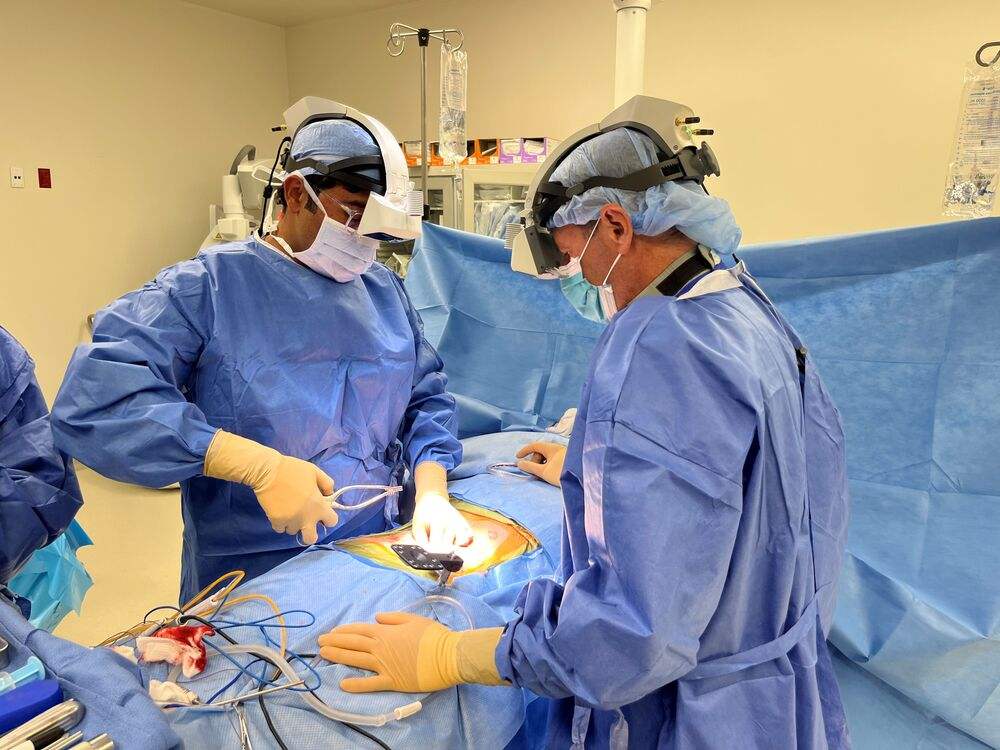 Dr. Harshpal Singh Among The First in New Jersey to Perform Augmented Reality (AR) Guided Spine Surgery
July 18, 2024 by Redefine Healthcare
Dr. Harshpal Singh Among The First in New Jersey to Perform Augmented Reality (AR) Guided Spine Surgery
July 18, 2024 by Redefine Healthcare
 Neurosurgeon Dr. Harshpal Singh Brings Life-Changing Spine Surgery to Honduras
June 2, 2023 by Redefine Healthcare
Neurosurgeon Dr. Harshpal Singh Brings Life-Changing Spine Surgery to Honduras
June 2, 2023 by Redefine Healthcare
 What is Myalgia: Causes, Symptoms, and Treatments
December 15, 2022 by Redefine Healthcare
What is Myalgia: Causes, Symptoms, and Treatments
December 15, 2022 by Redefine Healthcare
 5 Signs You Should See a Spine Specialist for Your Back Pain
December 15, 2022 by Redefine Healthcare
5 Signs You Should See a Spine Specialist for Your Back Pain
December 15, 2022 by Redefine Healthcare

At Redefine Healthcare, our specialists are board-certified, highly educated, and rigorously trained in various fields, including pain management, neurosurgery, orthopedic spine surgery, chiropractic care, physical therapy, occupational therapy, psychiatry, and podiatry. Many of our doctors have earned the prestigious Castle Connolly Top Doctors recognition from their peers. We prioritize listening to your concerns, identifying the root cause of your pain, and determining the most effective treatment plan to provide quick relief and prevent future conditions. With advanced non-surgical pain rehabilitation, our New Jersey centers in Union, Edison, and Paterson offer top-tier care for severe and chronic pain.

Orthopedics
DIRECTIONS
CALL NOW
BOOK NOW
Orthopedics
DIRECTIONS
CALL NOW
BOOK NOW
Spine Surgery
DIRECTIONS
CALL NOW
BOOK NOW
Orthopedics
DIRECTIONS
CALL NOW
BOOK NOW
Orthopedics • Spine Surgery
DIRECTIONS
CALL NOW
BOOK NOW
Pain Management
DIRECTIONS
CALL NOW
BOOK NOW
Orthopedics
DIRECTIONS
CALL NOW
BOOK NOW
Chiropractic • Mental Health • Orthopedics • Pain Management • Physical Therapy • Spine Surgery • Surgery Center • Vascular
DIRECTIONS
CALL NOW
BOOK NOW
Orthopedics
DIRECTIONS
CALL NOW
BOOK NOW
Orthopedics • Pain Management • Physical Therapy
DIRECTIONS
CALL NOW
BOOK NOW
3100 Hingston Ave, Suite 104
Egg Harbor Township, NJ 08234
Spine Surgery
DIRECTIONS
CALL NOW
BOOK NOW
Pain Management
DIRECTIONS
CALL NOW
BOOK NOW
Pain Management • Spine Surgery
DIRECTIONS
CALL NOW
BOOK NOW
Pain Management
DIRECTIONS
CALL NOW
BOOK NOW
Pain Management • Spine Surgery
DIRECTIONS
CALL NOW
BOOK NOW
Pain Management • Spine Surgery • Surgery Center
DIRECTIONS
CALL NOW
BOOK NOW
Pain Management
DIRECTIONS
CALL NOW
BOOK NOW
Orthopedics
DIRECTIONS
CALL NOW
BOOK NOW
Spine Surgery
DIRECTIONS
CALL NOW
BOOK NOW
Mental Health • Pain Management • Spine Surgery
DIRECTIONS
CALL NOW
BOOK NOW
Orthopedics • Pain Management • Physical Therapy
DIRECTIONS
CALL NOW
BOOK NOW
Orthopedics
DIRECTIONS
CALL NOW
BOOK NOW
Chiropractic • Pain Management • Spine Surgery
DIRECTIONS
CALL NOW
BOOK NOW
Pain Management
DIRECTIONS
CALL NOW
BOOK NOW
Orthopedics • Pain Management • Physical Therapy
DIRECTIONS
CALL NOW
BOOK NOW
Orthopedics • Pain Management • Physical Therapy
DIRECTIONS
CALL NOW
BOOK NOW
Pain Management • Physical Therapy
DIRECTIONS
CALL NOW
BOOK NOW
Pain Management
DIRECTIONS
CALL NOW
BOOK NOW
Orthopedics
DIRECTIONS
CALL NOW
BOOK NOW
Orthopedics
DIRECTIONS
CALL NOW
BOOK NOW
Pain Management
DIRECTIONS
CALL NOW
BOOK NOW
Orthopedics
DIRECTIONS
CALL NOW
BOOK NOW
Pain Management
DIRECTIONS
CALL NOW
BOOK NOW
Pain Management
DIRECTIONS
CALL NOW
BOOK NOW
Pain Management • Spine Surgery
DIRECTIONS
CALL NOW
BOOK NOW
Pain Management • Spine Surgery
DIRECTIONS
CALL NOW
BOOK NOW
Orthopedics
DIRECTIONS
CALL NOW
BOOK NOW
Pain Management
DIRECTIONS
CALL NOW
BOOK NOW
Pain Management
DIRECTIONS
CALL NOW
BOOK NOW
Orthopedics
DIRECTIONS
CALL NOW
BOOK NOW
80 Route 4, Suite 100
Paramus, NJ 07652
DIRECTIONS
CALL NOW
BOOK NOW
Chiropractic • Pain Management • Physical Therapy
DIRECTIONS
CALL NOW
BOOK NOW
Pain Management
DIRECTIONS
CALL NOW
BOOK NOW
Orthopedics • Pain Management • Physical Therapy • Vascular
DIRECTIONS
CALL NOW
BOOK NOW
Orthopedics
DIRECTIONS
CALL NOW
BOOK NOW
Pain Management • Spine Surgery
DIRECTIONS
CALL NOW
BOOK NOW
1131 Broad St., Suite 104 Building A
Shrewsbury, NJ 07702
Orthopedics • Pain Management
DIRECTIONS
CALL NOW
BOOK NOW
Pain Management
DIRECTIONS
CALL NOW
BOOK NOW
Orthopedics
DIRECTIONS
CALL NOW
BOOK NOW
Pain Management
DIRECTIONS
CALL NOW
BOOK NOW
Orthopedics • Pain Management • Spine Surgery
DIRECTIONS
CALL NOW
BOOK NOW
Mental Health • Pain Management • Spine Surgery
DIRECTIONS
CALL NOW
BOOK NOW
Pain Management • Spine Surgery
DIRECTIONS
CALL NOW
BOOK NOW
Pain Management
DIRECTIONS
CALL NOW
BOOK NOW
Pain Management • Spine Surgery
DIRECTIONS
CALL NOW
BOOK NOW
Pain Management
DIRECTIONS
CALL NOW
BOOK NOW
Pain Management • Spine Surgery
DIRECTIONS
CALL NOW
BOOK NOW
Pain Management • Spine Surgery
DIRECTIONS
CALL NOW
BOOK NOW
Pain Management
DIRECTIONS
CALL NOW
BOOK NOW
Pain Management
DIRECTIONS
CALL NOW
BOOK NOW
Spine Surgery
DIRECTIONS
CALL NOW
BOOK NOW


